The Legislative Architecture Enabling Controlled Market Testing
The launch of the Da Nang digital asset sandbox represents a pivotal question for regional investors: can Vietnam successfully transition a massive, informal crypto market into a regulated, investable sector? This localized testing ground is the direct operational byproduct of a sophisticated, multi-tiered legislative strategy executed throughout 2024 and 2025, specifically engineered to safely bridge decentralized finance with traditional institutional frameworks.
Political Mandate: Resolution No. 57-NQ/TW
The foundational political mandate for this paradigm shift is rooted in the Politburo’s Resolution No. 57-NQ/TW, enacted on December 22, 2024. This overarching directive prioritized sweeping institutional reform to foster breakthroughs in national digital transformation, explicitly aiming to expand the digital economy to at least 50% of the national GDP by 2045. Resolution 57 explicitly authorized the creation of “controlled testing mechanisms” (regulatory sandboxes) to temporarily suspend restrictive, antiquated legal barriers.
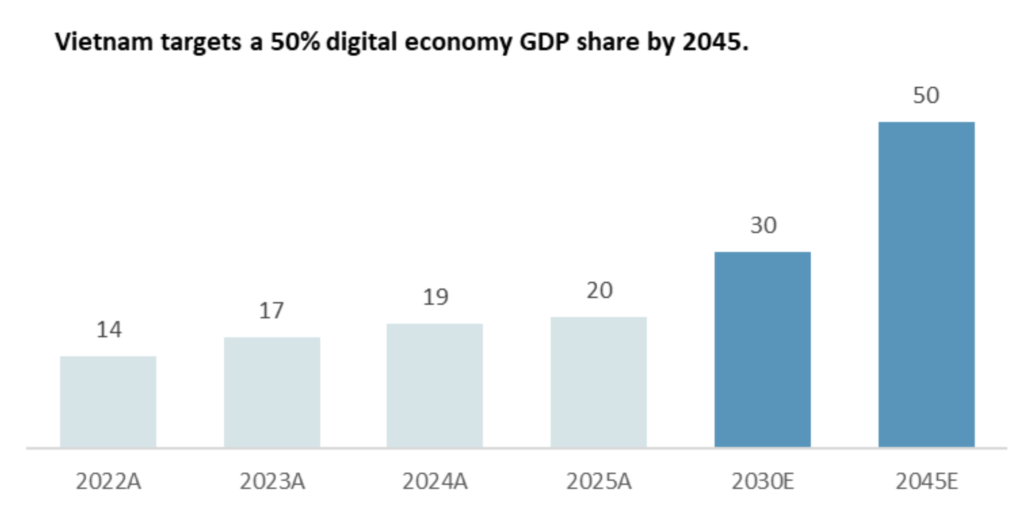
Figure 1: Growth of Vietnam’s Digital Economy (% to GDP)
Establishing International Financial Centers: Resolution 222
Building directly upon this Politburo mandate, the National Assembly passed Resolution No. 222/2025/QH15 on June 27, 2025, which officially established the comprehensive framework for International Financial Centers (IFCs) in Ho Chi Minh City and Da Nang. Effective September 1, 2025, Resolution 222 operates as a progressive, “forward-looking” regulatory laboratory. It explicitly permits the designated IFCs to test disruptive blockchain technologies and digital assets, granting local authorities in Da Nang unprecedented autonomy to grant exemptions from standard technical standards, business conditions, and licensing procedures.
Formalizing Digital Assets: The Law on Digital Technology Industry
Simultaneously, the legal status of the underlying assets being transacted within the Basal Pay sandbox has been formally clarified by the historic Law on Digital Technology Industry (Law No. 71/2025/QH15), which was passed in June 2025 and officially entered into force on January 1, 2026. The 2026 Law formally categorizes digital assets as legally recognized property under the Civil Code, placing them into two primary classifications: “virtual assets” and “crypto assets”. “Crypto assets” are defined by their use of cryptographic technology to authenticate creation, issuance, and transfer for financial exchange and investment purposes, perfectly describing assets like Bitcoin (BTC) and Ethereum (ETH).
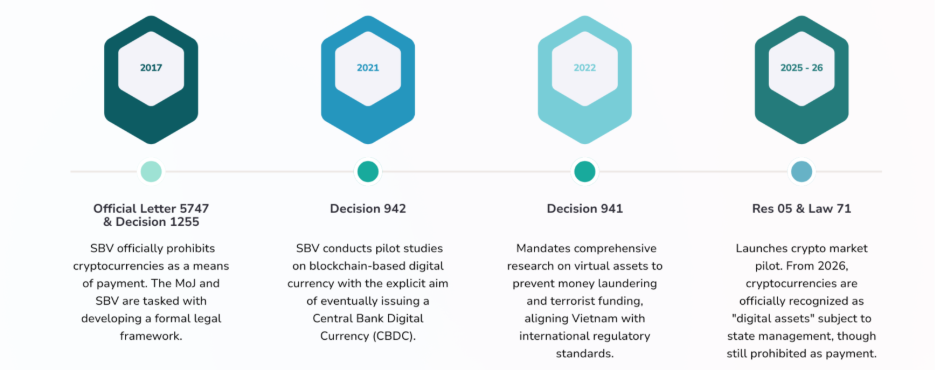
Figure 2: Evolution of Vietnam’s Digital Asset Legal Framework
Scope and Geographical Boundaries
A defining characteristic of any functional regulatory sandbox is the imposition of strict operational, volumetric, and geographical boundaries designed to prevent systemic financial contagion.
Designated Innovation Hubs
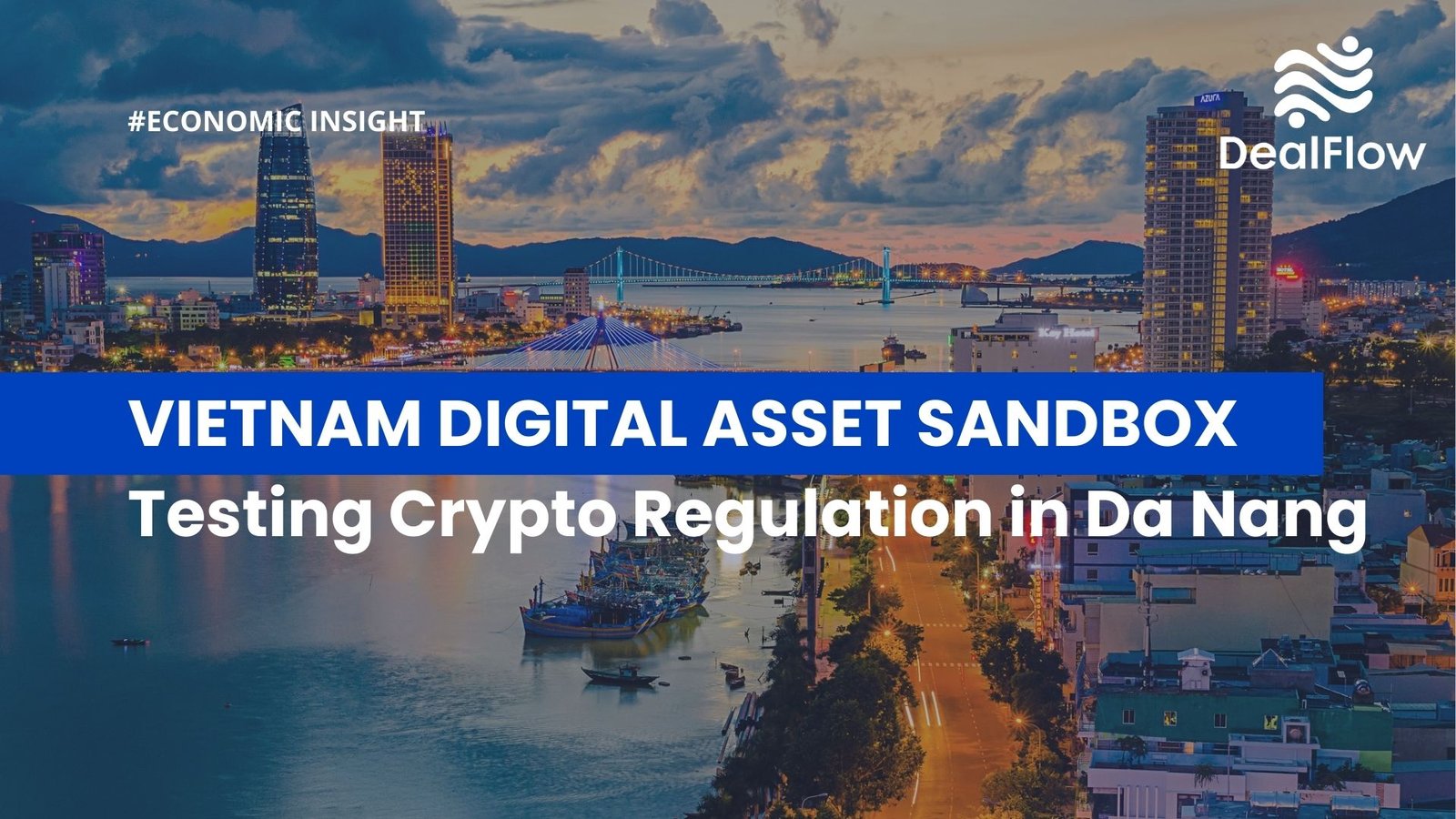
The sandbox is geographically restricted to three highly specific, state-sanctioned technology and innovation hubs within the city of Da Nang: the Innovation Startup Support Center, the Software Park Technology Concentration Area, and Software Park 2. By isolating the trial exclusively to these three specific epicenters, municipal regulators can deploy concentrated monitoring resources. Any transaction attempted outside of these rigidly defined geographic coordinates is strictly prohibited under the terms of the sandbox license.

Digital Enforcement: Geofencing and Spatial Verification
To flawlessly enforce these boundaries, the AlphaTrue technology stack employs rigorous geofencing. The Basal Pay mobile application continuously monitors the GPS and network location data of the user’s device while operating within the licensed pilot areas. If a foreign user attempts to scan a merchant QR code outside of these pre-approved physical coordinates, the application’s geofencing protocol automatically triggers a compliance alert and blocks the transaction instantaneously right at the QR scanning stage. By tethering the crypto-to-fiat conversion process to fixed, heavily monitored physical locations, regulators neutralize the primary risk associated with cryptocurrencies: remote, untraceable capital flight.
Volumetric Caps and Early Adoption Metrics
During the initial phases of the pilot operating in early 2026, user transactions are strictly capped. Conversions for standard users are limited to a maximum threshold of $500 (USDT) or an absolute frequency limit of five transactions per user account. Individuals seeking to bypass these conservative limits are forced to submit to highly enhanced, rigorous Know Your Customer (KYC) identity verification procedures. As of early 2026, the Basal Pay application has successfully onboarded approximately 6,000 registered users, with foreign users constituting roughly 30% of this demographic and driving a total conversion volume of approximately 40,000 USDT.
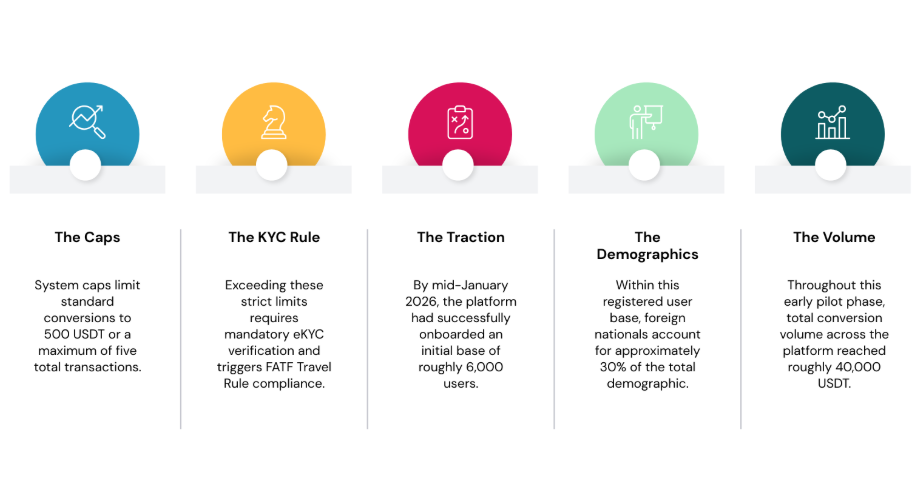
Figure 3: Basal Pay’s Early Operational Metrics
Regulatory Compliance and Security Standards
Vietnam’s historical digital asset landscape has been largely characterized by unregulated, informal P2P transfers. The Da Nang sandbox represents a structural shift towards strict regulatory oversight, functioning as a live testing ground for Anti-Money Laundering and Combating the Financing of Terrorism (AML/CFT) protocols within decentralized environments.
FATF Travel Rule and eKYC Integration
A core objective of the pilot is assessing the technical feasibility of enforcing the Financial Action Task Force (FATF) Travel Rule. By tying the aforementioned volumetric caps to tiered electronic Know Your Customer (eKYC) systems and algorithmic risk profiling, participating platforms are mandated to securely capture and transmit originator and beneficiary data. Furthermore, all operational records must be retained in a secure, state-accessible database for a minimum of five years to ensure complete auditability.
Macroeconomic Impact: FDI and the FATF Grey List
Vietnam’s 2025 inclusion on the FATF “grey list” due to systemic AML/CFT deficiencies has created headwinds for overall Foreign Direct Investment (FDI). This sandbox serves as a demonstrative policy instrument, signaling to international regulatory bodies that Vietnam is actively developing the technological infrastructure and supervisory frameworks required to monitor decentralized asset flows. Demonstrable success in this area is a critical step in the national effort to exit the grey list and improve the broader institutional investment climate.
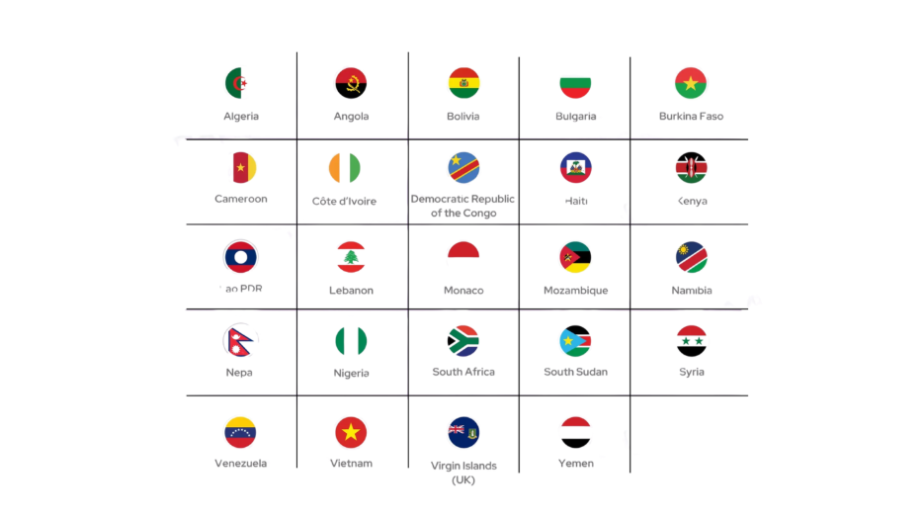
Figure 4: 2025 FATF Grey List
Ecosystem Parallels: Comparative Market Models
Regulators are utilizing the Da Nang framework to concurrently run A/B testing on fundamentally different operational and compliance architectures to assess their respective risk profiles.
Custodial vs. Non-Custodial Infrastructure
The sandbox currently hosts platforms testing contrasting methodologies. One model involves strictly custodial applications integrated with comprehensive historical data tracing and deep KYC. In parallel, platforms like MIMO (developed by Dragon Lab JSC) are testing a non-custodial approach that deliberately limits the tracing of prior blockchain transactions to prioritize user privacy. This dichotomy allows policymakers to empirically evaluate the security vulnerabilities and regulatory efficacy of distinct technological bridges between crypto and fiat.
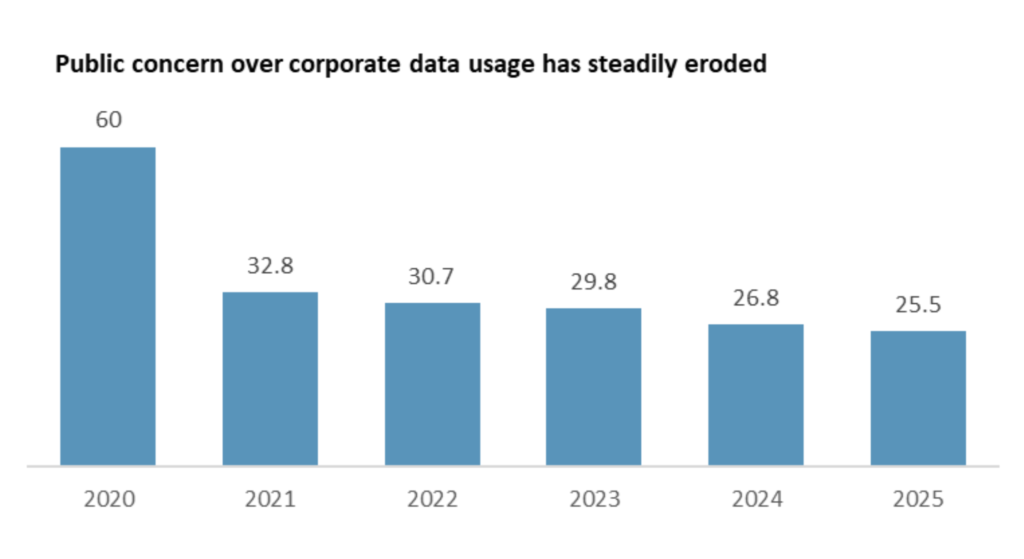
Figure 5: Concern About How Companies Use Personal Data (%)
Market Segmentation: Retail Utility vs. Institutional Capital
It is critical to distinguish the localized Da Nang sandbox from the broader national digital asset exchange pilot established under Resolution 05/2025/NQ-CP. While the national exchange initiative is geared toward massive institutional capital formation—demanding a prohibitive minimum charter capital of VND 10 trillion (approximately $380–$400 million) and the backing of established domestic financial institutions—the Da Nang sandbox serves a fundamentally different strategic purpose. Instead, it operates as an agile, retail-focused testing ground dedicated strictly to evaluating everyday fintech utility, cross-border commercial transactions, and consumer-level fiat conversion mechanisms.
Strategic Implications for Sector Growth

Functioning as a critical leading indicator for Vietnam’s digital asset market, the Da Nang pilot balances risk mitigation with innovation to transition an informal crypto economy into a regulated, investable sector primed for institutional consolidation.
Validating the National Regulatory Framework
Drafting permanent, nationwide legislation for decentralized finance carries inherent systemic risk. By containing this technology within a strict 36-month temporal window, bounded geographic zones, and targeted user demographics, the State Bank of Vietnam (SBV) and Ministry of Finance are mitigating macroeconomic exposure. The empirical data generated will dictate the parameters of future, permanent national standards.
Institutionalizing Capital and Market Expansion
If the pilot successfully demonstrates that blockchain-based settlements can operate safely at scale, it will likely catalyze the authorization of fully licensed, national fiat on-ramps. Integrating this infrastructure with the traditional banking sector could optimize high-friction financial channels, particularly the multi-billion-dollar overseas remittance market. Transitioning informal, underground crypto volume into a transparent, regulated environment presents a significant opportunity for formal market expansion, enhanced state revenue, and the eventual emergence of actionable M&A targets within Vietnam’s maturing regulated fintech sector.
Positioning for a Regulated Digital Future
As Vietnam methodically builds the infrastructure for a regulated digital finance economy, the Da Nang pilot signals a transition from pure observation to strategic positioning. The eventual integration of this high-volume, informal market into a compliant, state-monitored ecosystem will generate compelling M&A prospects and capital formation opportunities for early movers.
To explore active market opportunities, evaluate upcoming regulatory impacts, or discuss your broader Vietnam financial infrastructure thesis, connect with our advisory team at DealFlow.sg or follow our latest insights on LinkedIn.